
Evaluating Credit Card and Bank Payment Blocks
The useful question is not “which method still works?” The useful question is “what boundary is this payment showing me?” In Great Britain, credit-card gambling payments are banned. The boundary also matters when an e-wallet is involved, because the rules are concerned with gambling funded by credit-card money, not only with the card being typed directly into a gambling checkout. Gambling businesses cannot accept payments from e-wallets that do not stop credit-card funds being used for gambling.
That distinction is important because payment pages sometimes make gambling feel like ordinary online shopping. It is not ordinary online shopping. A deposit can lead to losses, further deposits, delayed withdrawals, document requests and disputes. If a payment does not go through, treat the failure as a chance to slow down and check the wider situation. It may be a legal restriction, a bank tool, a wallet rule, a risk control, or a sign that the site is not giving enough clear information.
This page does not list payment methods that may be accepted by particular gambling sites. Availability changes, and naming methods without the full context can push people toward the wrong decision. The safer approach is to understand the type of boundary and then decide whether the sensible action is to stop, check the site, check your account settings, or seek support.
The credit-card and e-wallet boundary
The credit-card ban in Great Britain is designed around harm prevention. Borrowed money can make gambling risk harder to see because the loss is separated from the moment of payment. A person may feel they still have money available because credit is available, even though the deposit is increasing debt. That is why credit-card gambling payments should not be treated as a puzzle to solve.
E-wallets can make the picture less obvious. A wallet may sit between the card and the gambling site, so the reader might wonder whether the credit-card rule still matters. The safe summary is simple: the boundary follows credit-card funding. If wallet money comes from a credit card and the wallet does not block those funds from being used for gambling, the gambling business is not supposed to accept that wallet route. The point is not the label on the checkout button. The point is whether credit is being used to gamble.
If a page or promoter suggests that a wallet can be used to get around a credit-card restriction, that is a warning sign. Do not treat it as clever advice. It may indicate that the site or promoter is more interested in deposits than in protection, clarity or compliance. A responsible explanation will describe the restriction and its purpose; it will not guide the reader around it.
Bank gambling blocks
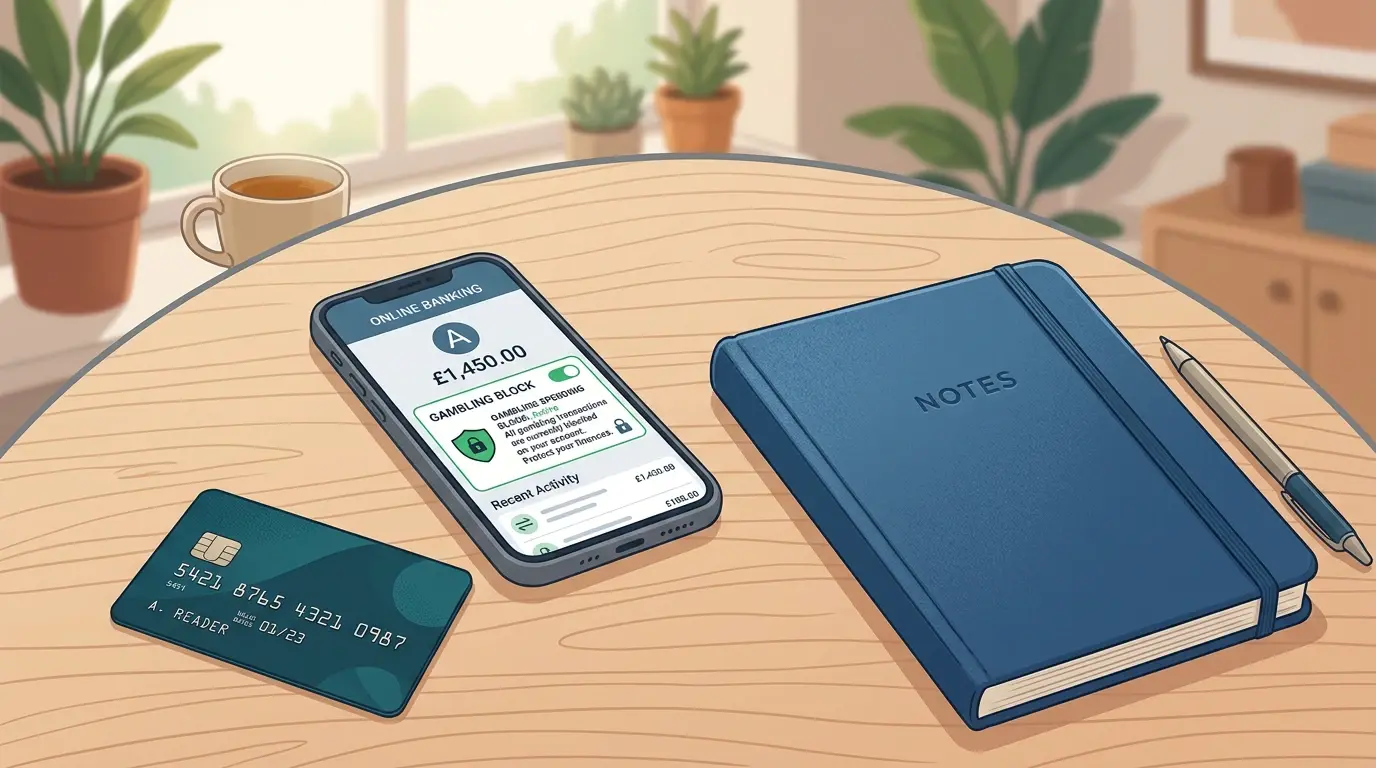
Many people also meet gambling blocks through their bank. A bank gambling block is a protective tool that can stop or limit gambling payments from a card or account. Depending on the bank and product, the block may be managed in mobile banking and may work at card level. That means one card can be affected differently from another, and it also means the exact experience can vary. The important point is that the block exists to create friction when gambling spend needs a barrier.
A bank block is not the same thing as GAMSTOP. GAMSTOP is a self-exclusion service connected with online gambling companies licensed in Great Britain. A bank block is a money-control tool. Blocking software is another layer again. These tools can work together, but they answer different problems. One limits access to gambling accounts, another limits payments, and another can make gambling sites harder to open on a device.
If you set a bank block yourself, try to treat it as a decision made by your calmer self. It may be tempting to view it as an irritation when an urge to gamble is strong. That is exactly when the block is doing its job. If someone else helped you put the boundary in place, do not treat the moment of pressure as proof that the boundary should disappear. Use the pause to step away from the payment screen.
Decision path when a gambling payment fails
| What happened | Safer reading | What to do instead of forcing it |
|---|---|---|
| A credit card is not accepted. | In Great Britain, credit-card gambling payments are banned. | Do not look for a route that turns borrowed money into a deposit. Stop and review whether gambling with available money is sensible at all. |
| An e-wallet payment is rejected or limited. | The wallet may need to prevent credit-card funds being used for gambling. | Do not try to move funds around to hide the source. Check whether the payment would involve credit and pause the deposit. |
| A bank blocks the transaction. | A gambling block, card rule or risk control may be active. | Treat the block as a protective signal. If the block was chosen deliberately, respect the reason you set it. |
| The site suggests alternative payment routes in vague language. | The site may be pushing deposits before clarity. | Check the site’s licence, terms, complaints route and withdrawal rules before sending any money. |
| You feel urgent pressure to deposit after a failed payment. | The pressure itself is a risk signal. | Step away from the screen, avoid chasing losses, and consider using support tools or speaking to someone you trust. |
Money boundaries before any deposit
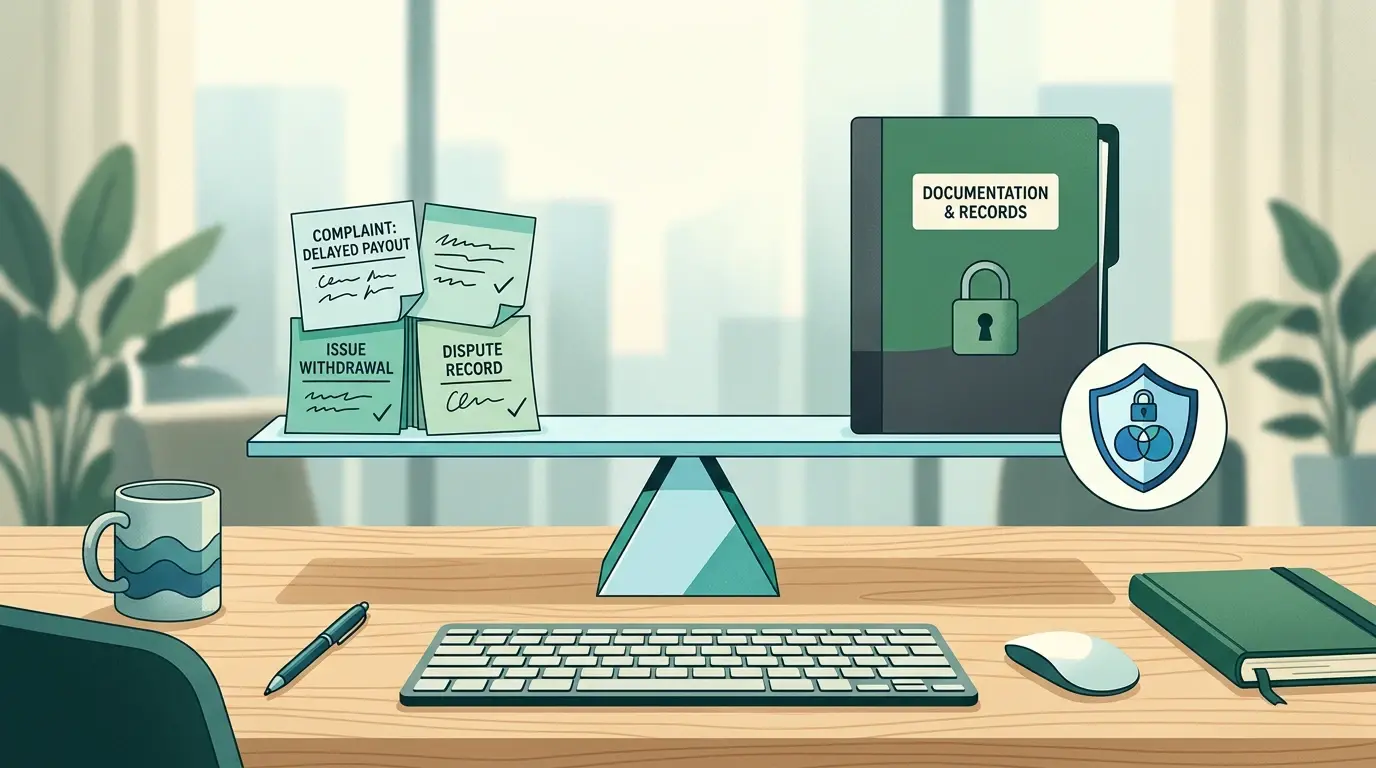
A payment method is only one part of the risk. Before sending money, check whether the site explains who operates it, what licence applies, how withdrawals are checked, how complaints are handled, and whether customer money has any protection if the business fails. If these points are hard to find, unclear, or written in a way that makes you feel rushed, that is more important than whether the checkout page appears to accept a deposit.
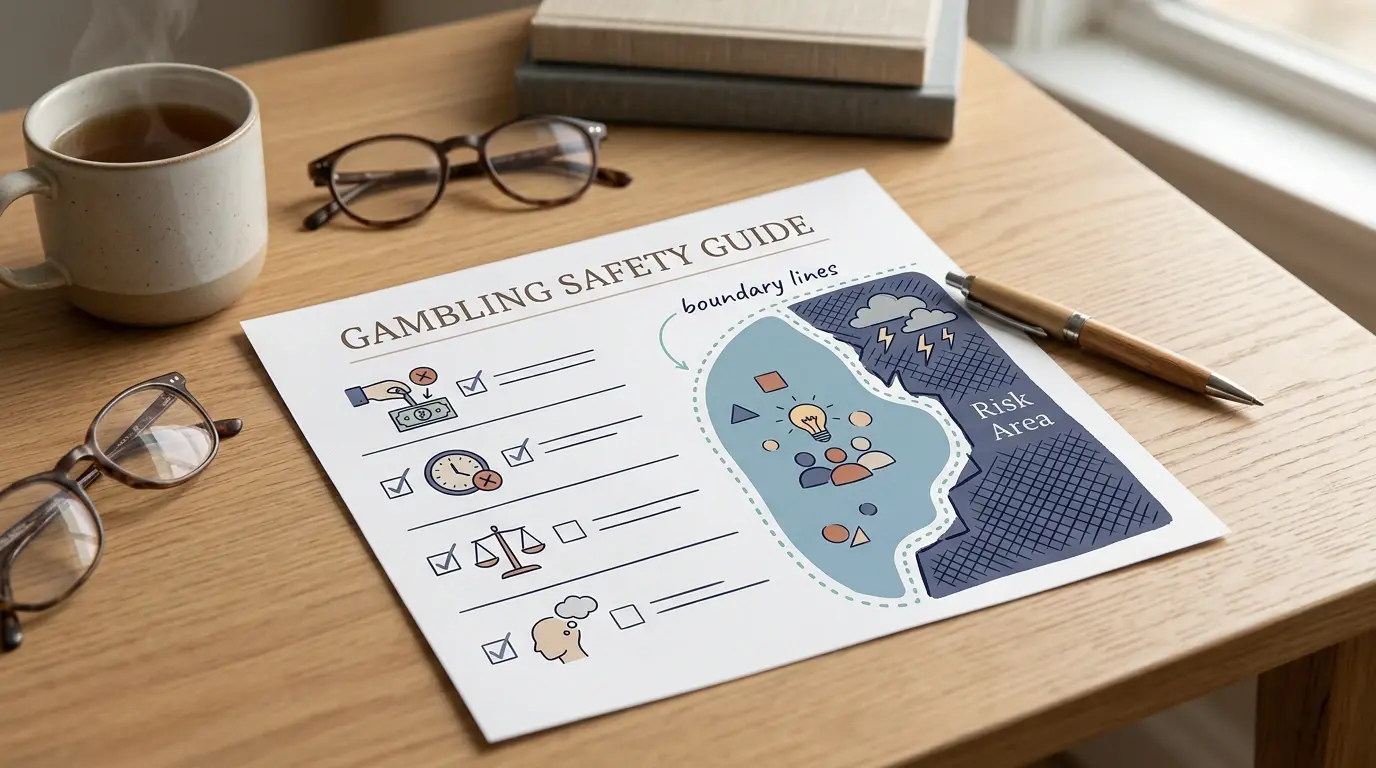
Set a boundary before you open a payment screen. Decide what you can afford to lose without borrowing, chasing, or affecting bills. Decide what would make you stop immediately: a failed payment, a confusing term, a request to use another route, a sudden document demand, or a feeling that you need one more deposit to recover losses. Boundaries work best when they are written down before the emotional part of gambling starts.
- Use money you already have, not credit, debt, overdraft or bill money.
- Do not use payment failure as a reason to try multiple routes.
- Keep bank blocks in place if they were set up to protect you.
- Check withdrawal and identity rules before depositing, not after winning.
- Pause if the site explains deposits clearly but makes withdrawals difficult to understand.
Before setting up these financial boundaries, make sure you run comprehensive checks before sending money to any gambling site to ensure your funds are secure.
How payment issues connect to other checks
Payment restrictions sit beside other checks. If a site is outside GAMSTOP, that does not tell you whether it is licensed, whether its domain appears on an official register, or whether its terms are fair. If a site accepts a deposit quickly, that does not mean it will release a withdrawal without identity checks. If a bank block stops a payment, that does not mean you should simply search for another way to pay.
For licensing and domain questions, use the page on checks before sending money. For document requests, bonus rules and withdrawal friction, read the guide to identity checks, withdrawals and offer terms. If payment blocks matter because gambling is becoming difficult to control, the more relevant next step is the page on self-exclusion and support tools.
The safest practical rule is this: a blocked or failed gambling payment is not an invitation to be more inventive. It is a reason to pause, check the wider risk, and keep protective controls in place when they are helping you stay away from harm.
For more comprehensive advice on managing your risks, visit our UK gambling safety and self-exclusion guide.