
The Practical Meaning of Non-GAMSTOP Operators
GAMSTOP is a free self-exclusion service connected with online gambling companies licensed in Great Britain, and GAMSTOP Online is available to people living in the UK. In ordinary language, “not on GAMSTOP” usually means the site is not taking part in that system. That is a coverage statement, not a recommendation. It does not prove that the site is safe, properly licensed for the reader, fair with money, fast with withdrawals, or suitable for someone who has chosen self-exclusion.
This distinction matters because people arrive at the phrase from different places. Some are simply trying to understand a term they have seen. Some are checking whether a gambling site is accountable. Others may be in the middle of a self-exclusion period and feeling pressure to gamble again. A useful explanation has to serve all of those people without turning the page into a route around a protective measure.
If you are already self-excluded, the key point is not how to find a site outside the scheme. The key point is that self-exclusion was set up to create distance between you and online gambling. GAMSTOP states that an exclusion cannot be removed during the minimum exclusion period. Treat that as a protective boundary, not as an inconvenience to solve.
Coverage is not the same as licensing
A common mistake is to treat the phrase as if it answers every trust question at once. It does not. GAMSTOP coverage says something about participation in one protection system. Licensing says something different: who regulates the operator, what activities are covered, and what rules the business is expected to follow. A site can make attractive claims while still leaving important questions unanswered.
That is why a cautious reader separates three ideas. First, is the site connected to the GAMSTOP framework or not? Second, is the business licensed and accountable in a way that can be checked on an official register? Third, does the site’s behaviour, wording and terms give you enough confidence to risk money and documents? The first question never replaces the other two.
For Great Britain, the Gambling Commission public register is the safer place to check a licensed gambling business, trading name, domain and permitted activities. This page does not walk through that check in detail; the practical register workflow is covered on the linked safety-check page. The important point here is simpler: absence from GAMSTOP should not be treated as a shortcut to trust.
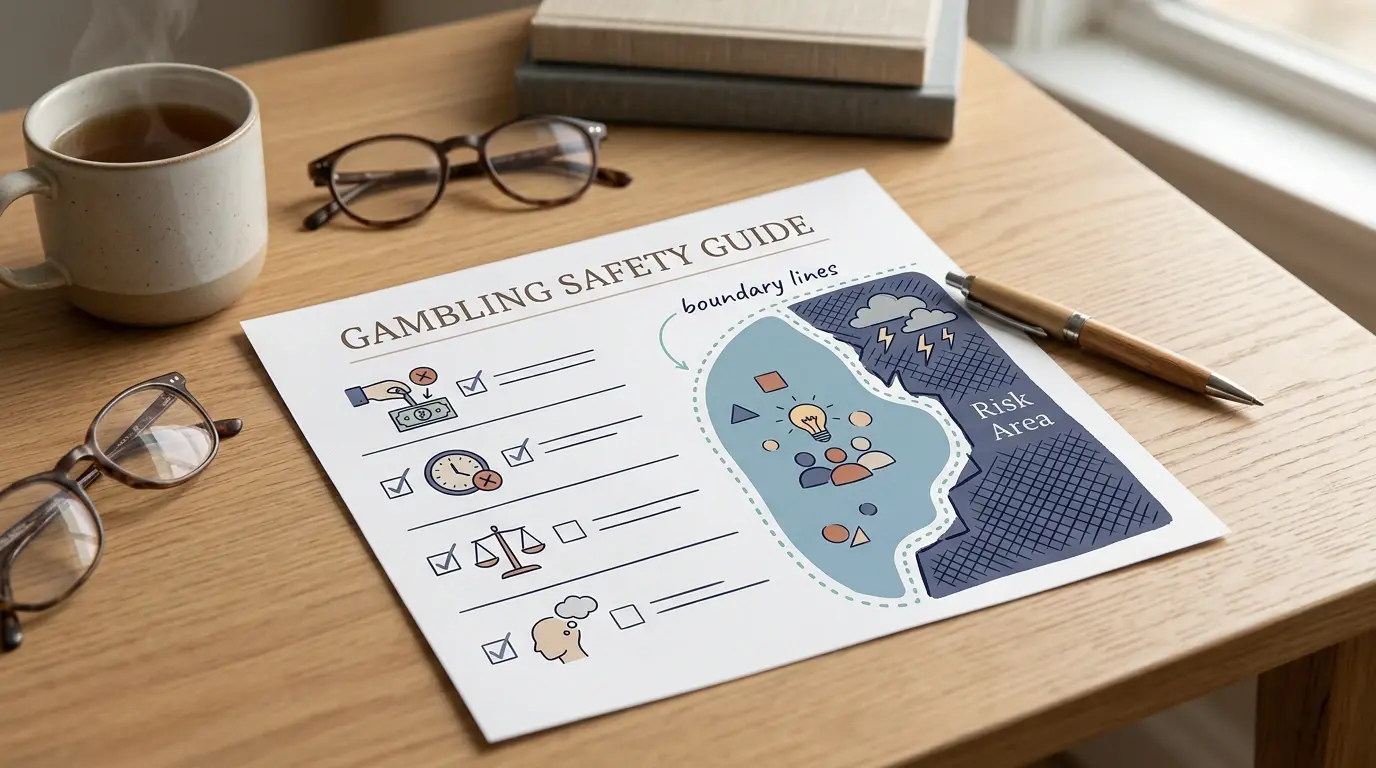
Risk map: what the phrase can and cannot mean
| Phrase or claim you may see | What it can mean | What you must not assume |
|---|---|---|
| “Not on GAMSTOP” | The site is not participating in the GAMSTOP online self-exclusion system. | Do not assume it is safe, lawful for you, recommended, or free from withdrawal problems. |
| “Open to UK players” | The site may be marketing itself to people in the UK. | Do not assume it is licensed by the Great Britain regulator or that UK-style protections apply. |
| “No restrictions” | The wording may be promotional or incomplete. | Do not assume there will be no identity checks, account reviews, payment blocks or terms attached to withdrawals. |
| “Fast payout” | The site is making a commercial promise. | Do not assume your withdrawal will be approved without documents or that any time frame is guaranteed. |
| “Alternative to GAMSTOP” | The site may be trying to attract people who are restricted elsewhere. | Do not treat it as a support option, recovery tool or a safe route during self-exclusion. |
Why non-participation should not be sold as a benefit
When a gambling page presents non-participation in GAMSTOP as the main attraction, the reader should slow down. A protection gap is not a quality feature. It may mean the site sits outside a system that many people rely on when gambling has become hard to control. It may also mean that the reader needs to work harder to understand licensing, complaints, data handling, customer funds and withdrawal rules before doing anything with money.
There is also a personal-risk side. If someone chose self-exclusion after losing control, a page that celebrates ways around that distance can be harmful. The safer approach is to name the boundary plainly and then point towards support, blocking tools and official checks. That does not ignore the topic. It explains the topic without encouraging a decision that may make the situation worse.
Even for a reader who is not self-excluded, a site outside GAMSTOP should still be judged on ordinary standards. Who is the licensed business? Which domain is listed? What activities are covered? What do the terms say about withdrawals? How does the complaints process work? What happens to customer money if the business fails? If those answers are missing or hard to verify, the sensible response is to stop rather than to press ahead.
What to do before treating any site as usable
- Separate the term from the decision. “Not on GAMSTOP” describes a protection boundary. It does not answer whether the site deserves trust.
- Check official information before sending money. If a site claims to be licensed, compare its business name, trading name, domain and activities against the relevant public register.
- Read the withdrawal and promotion terms before depositing. Do not rely on a headline promise if the detailed terms are unclear.
- Think about why the phrase appealed to you. If the answer is that gambling has become difficult to stop, the safer next step is support rather than another account.
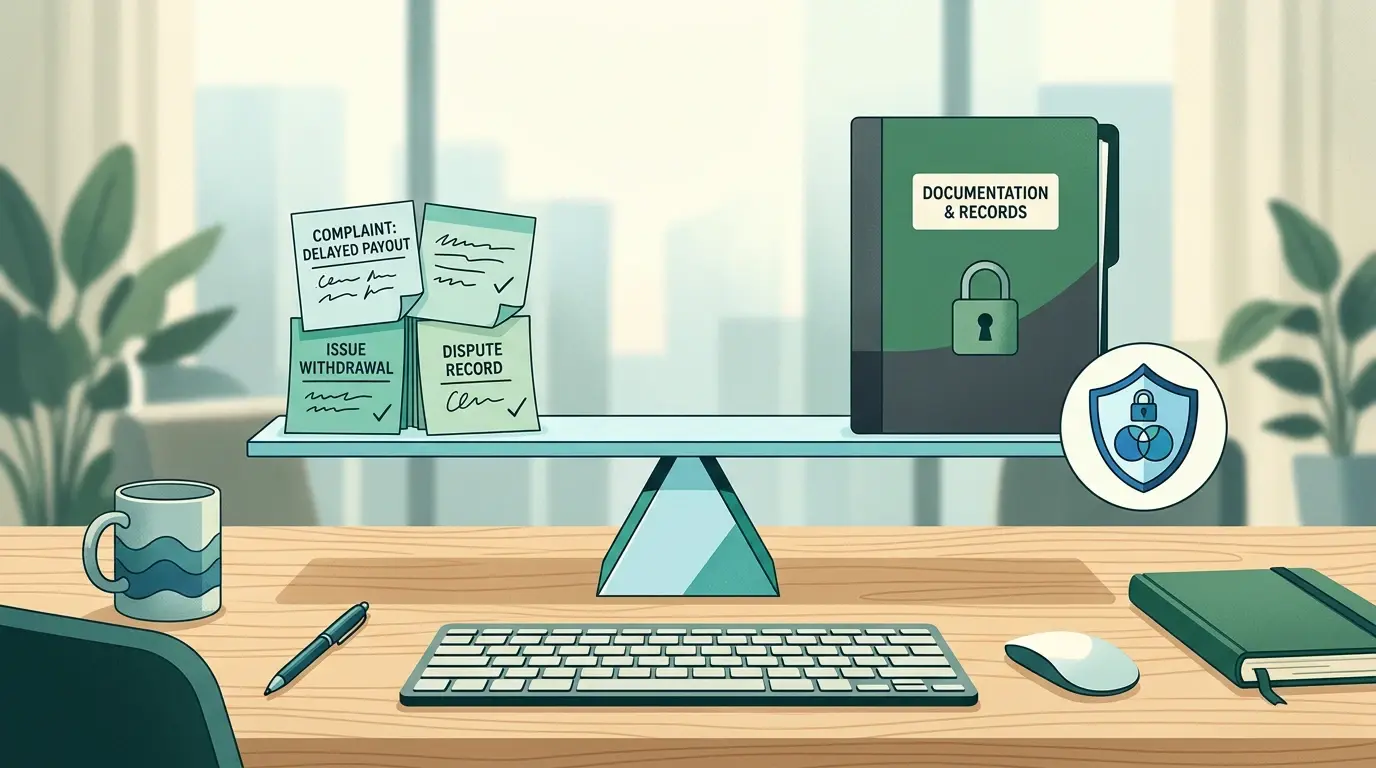
- Do not treat payment failure, blocked access or document requests as obstacles to force through. They may be warning signs or protective pauses.
These steps are deliberately conservative. They do not tell you where to gamble. They help you avoid turning a vague phrase into an unsafe assumption.
When self-exclusion is part of the situation
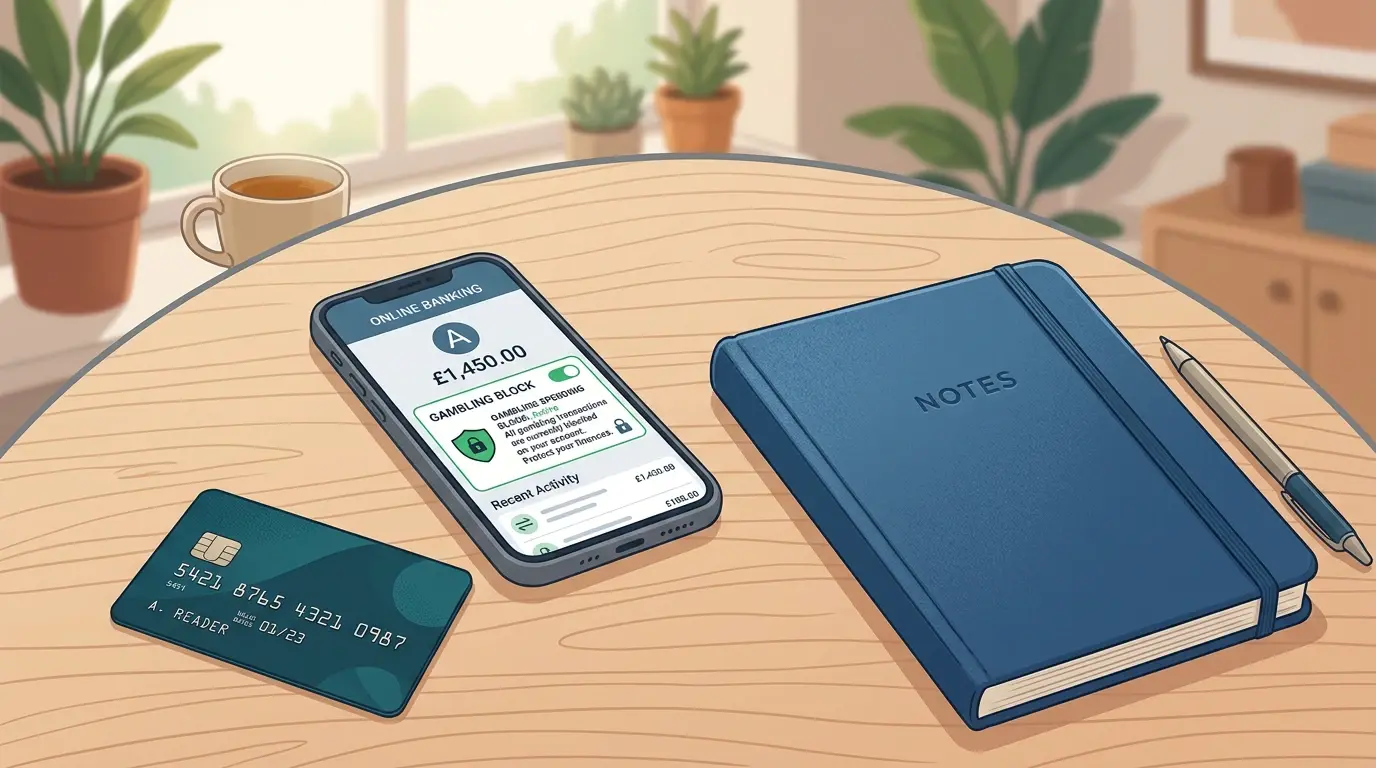
If you are in a self-exclusion period, the most practical answer is not a list of alternatives. It is to keep the barrier in place and add other layers of support. That may include account blocks, device blocking tools, bank gambling blocks, trusted-person support, or contacting a gambling support service. The right combination depends on your situation, but the direction is the same: reduce access when your own past decision says distance is needed.
People often look for loopholes at a point of stress, boredom, debt pressure or a strong urge to recover losses. Those moments can make a risky site look more reasonable than it is. A calm rule helps: if the phrase “not on GAMSTOP” matters because you are trying to gamble despite self-exclusion, pause the gambling decision and move toward support first.
How this page fits with the rest of the guide
This page explains the meaning and boundary of the phrase. It does not provide a full due-diligence workflow, because that belongs on the practical page about checks before sending money. It does not explain withdrawal documents or bonus restrictions in depth, because those issues belong on the page about account checks and offer terms. It also does not give a route around protective blocks; for that side of the issue, read about self-exclusion and support tools.
The safest conclusion is simple: “not on GAMSTOP” is not a trust label. It is a reason to ask more questions, and in some circumstances it is a reason to stop completely.
If you find yourself constantly looking for ways around these restrictions, it might be time to explore additional support tools for controlling gambling habits.
- Checks to make before sending money
- Self-exclusion and support tools
- Payment blocks and bank controls
Always prioritize your financial well-being by consulting the Beyond Gamstop UK informational portal before making any decisions.